Spring 2026 is a big season for trail shoes. Nine new models are out or coming out in the first half of the year. There is a rebuilt Hoka favorite, a friendlier shoe from Kilian Jornet's brand, a few race-day super shoes, and a max-cushion shoe from a European brand new to the US. Here's what's out there.
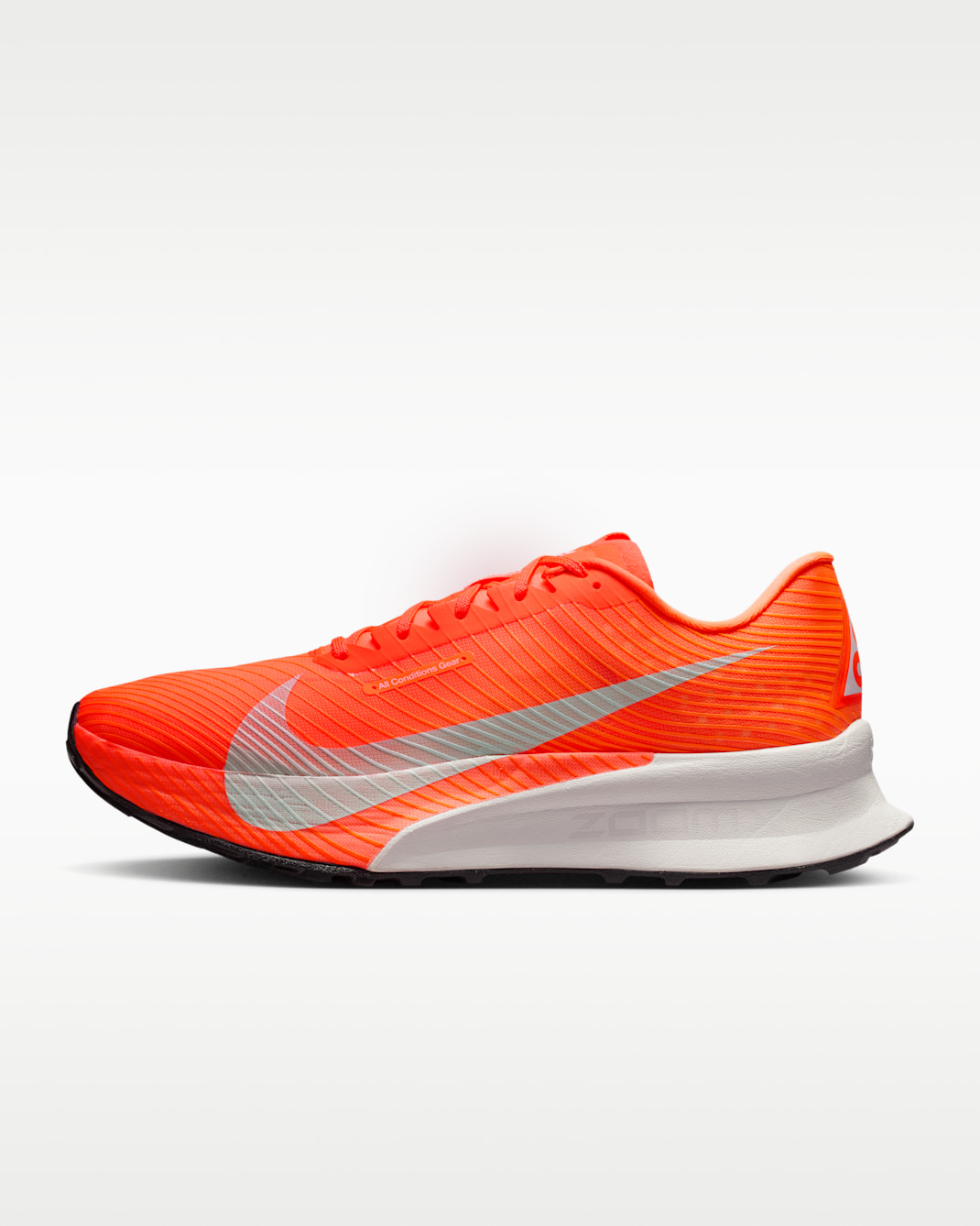
Nike ACG Ultrafly 2
- ZoomX energy return on long climbs
- Vibram Litebase outsole for nimble grip
- Wider trail-specific last for swollen feet
- Race-validated at WSER distance
- Premium price point
- Limited availability at launch
- May be too responsive for slow/technical terrain
The first ACG Ultrafly proved itself fast. Caleb Olson wore a test version to win Western States. Version 2 has a new carbon plate split down the middle. It bends more than the old one, so the front of the shoe can flex over roots and rocks. It keeps the ZoomX foam and Vibram Litebase sole. The 4.5mm lugs work on hard dirt and soft dirt, and they don't slow you down like big mud lugs do.
This is the shoe for runners who want road-shoe energy return without sacrificing grip. If you're racing something long and mountainous this summer, the Ultrafly 2 belongs on your shortlist.
On Cloudsoma

- Completely new traction concept from On
- Independent pods adapt to uneven ground
- Strong pedigree from On's trail line
- Spring launch timing ideal for summer training
- Unproven design, no long-term data yet
- Pod system may not suit heavy mud
- Pod system relatively unproven at ultra distances
The Cloudsoma came out in April 2026. It has On's first truly new sole in years. Instead of one solid sole, it has separate grip pods. Each pod bends on its own as your foot lands and rolls over rough ground. This fixes a real problem. A stiff sole can't shape itself to the trail, so your foot has to do the work. Early reviews like how it feels on rocky trails. We don't know yet how long it lasts.
Race planner tip: If you're buying a new shoe for a race, build at least 4–6 weeks of training miles into them before race day. Novel designs like the Cloudsoma deserve extra break-in time to assess fit under fatigue.
Brooks Cascadia Elite

- Carbon propulsion in a familiar Cascadia chassis
- Built for FKTs and race podiums
- Trusted Cascadia upper and fit system
- Replaces the Catamount with better fit heritage
- $275 is premium tier pricing
- Carbon plates add fatigue on very long days
- Not the right choice for casual training
This is Brooks' first plated trail super shoe. The plate is a horseshoe-shaped SpeedVault+ plate made of Pebax with carbon mixed in. It is not a full carbon plate. That helps on rough trails, where a stiff shoe can work against you. The plate sits between layers of DNA GOLD foam, with about a 40mm heel and a Vibram Megagrip Elite sole. This is a real race shoe. At $275, it is meant for race day only. Save it for the races where the extra pop is worth the price.
Adidas Terrex Agravic Speed Ultra 2

- 13g lighter than v1 with improved fit
- Softer Lightstrike Pro midsole, not just a refresh
- Continental Rubber outsole with 4mm lugs
- Available since December 2025, ready to train in
- Extremely narrow rear platform, favors midfoot strikers
- Speed-focused; not built for technical scrambling
- Narrow fit may not suit wide feet
The Agravic Speed Ultra 2 is a real update. It has softer Lightstrike Pro foam and a new upper that fits better around the ankle. It is also 13g lighter, down to 265g in a US 9. It is narrower than almost any other trail super shoe, most of all in the middle of the foot. That makes it a shoe for fast runners with smooth form. It has been out since December 2025, so you can start training in it now.
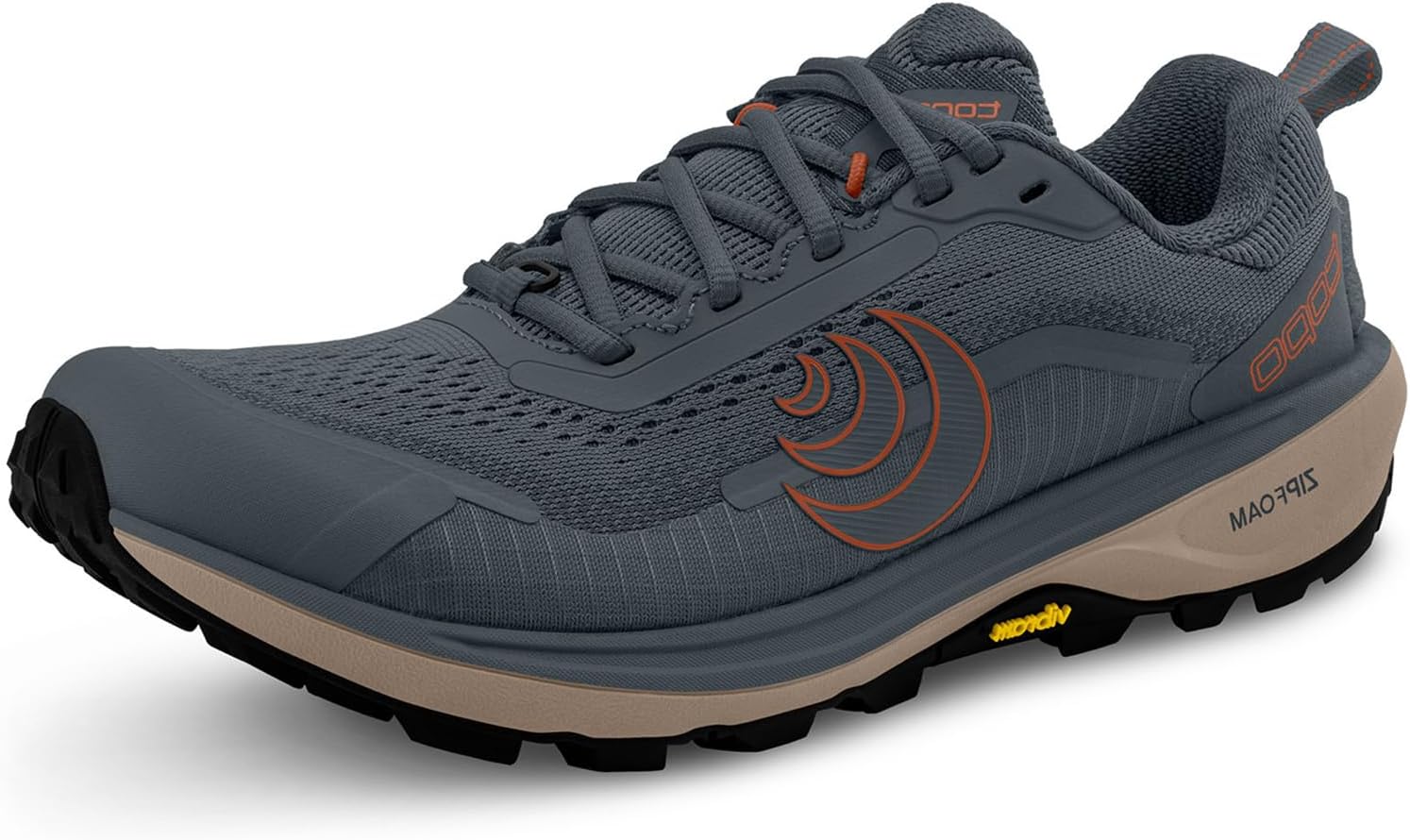
Topo Athletic Terraventure 5
- Wide toe box prevents long-run cramping
- 3mm drop, natural feel without full zero-drop adaptation
- Proven across four generations of trail runners
- GTX waterproof version coming fall
- Low drop still requires some adaptation if coming from a 10mm+ shoe
- Not a racing shoe. It's a high-mileage trainer.
- Less cushion than max-stack options
Ultra runners who care more about happy feet than looks have been sticking with the Terraventure for years. The wide toe box lets your toes spread out. That matters on long races, when your feet will swell. The 3mm drop feels natural, and you don't have to retrain your legs like you would for a zero-drop shoe. The v5 adds a two-layer mesh upper with tougher spots where it rubs, plus an FKT insole with channels that drain water. At $140, it holds up against training shoes that cost twice as much.
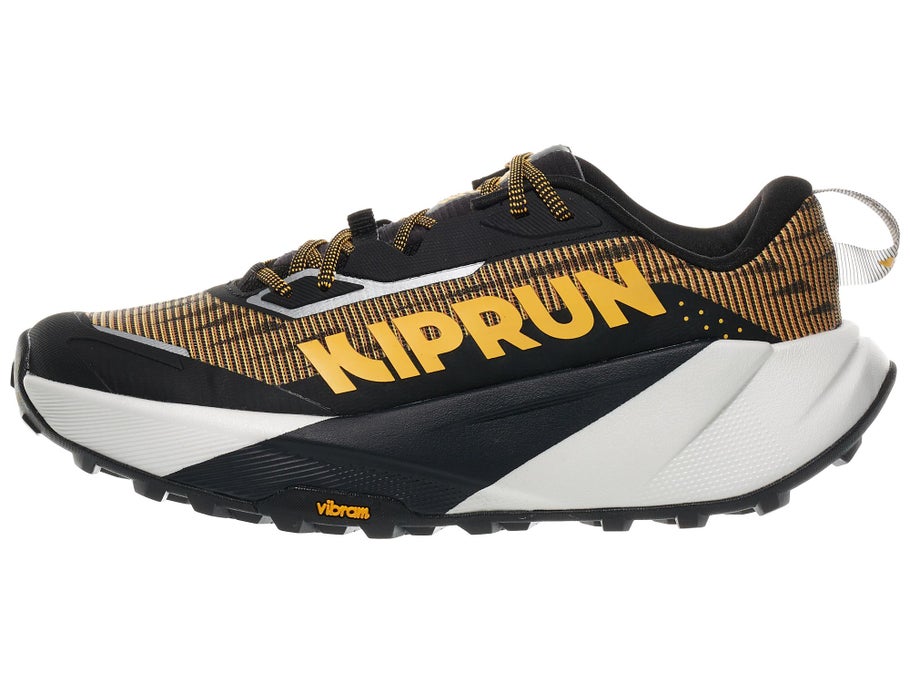
Kiprun Kipsummit Max
- High-stack cushion at a mid-range price
- Carbon-plated race version available at $250
- Decathlon's engineering pedigree behind it
- Fills a gap: max cushion under $175
- Completely unknown brand to US runners
- No US community reviews yet
- Fit and durability unproven in long-distance use
Kiprun is Decathlon's running brand. It is well known in Europe and is coming to the US in 2026. The Kipsummit Max ($150) is the high-cushion trainer in a line of three shoes. The others are an everyday trainer ($130) and a carbon-plated racer ($250). Those are low prices for the US. If you want to save money and don't mind trying something new, the Max is worth a look. Just give yourself extra time to test the fit and see how it wears before you race in it.
New-to-market shoes from overseas brands often have excellent engineering but require extra scrutiny on fit and durability. If you try the Kipsummit Max, log at least 50 training miles before a goal race to surface any hotspot or durability issues. Iron Miles Training Notes
Hoka Speedgoat 7

- Entirely rebuilt, not a refresh: new midsole geometry throughout
- Vibram Megagrip outsole retained
- Proven Speedgoat pedigree across six generations
- Wide variety of terrain applications
- Significant rebuild means adaptation from the 6 for existing fans
- Hoka's max cushion feel may not suit technical scrambling
The Speedgoat 7 is a full rebuild, not a small update. Hoka changed the shape of the midsole from heel to toe, not just the foam. That changes how the shoe squishes and springs back on different ground. It keeps the Vibram Megagrip sole and the wide base that made past Speedgoats the go-to shoe for 100-mile training. If you've run in Speedgoats before, expect it to feel different.
Hoka Zinal 3

- New supercritical EVA midsole, more responsive than v2
- More aggressive 5mm lug pattern for better bite
- $15 price drop from the Zinal 2
- Narrower forefoot improves fit for performance-fit runners
- Proprietary outsole replaces Vibram Megagrip, durability unproven
- Narrower fit excludes wider-foot runners who liked the v2
- No long-term wear data on the new outsole compound
The biggest change in the Zinal 3 is also the most argued about. Hoka dropped Vibram Megagrip for its own rubber. Racers who trust Vibram to last will not love that. The new sole has deeper 5mm lugs, and the new foam is bouncier than the Zinal 2. The price dropped to $150, which helps. It is worth trying, but put real training miles on the sole before you race in it.
The switch from Vibram Megagrip to a proprietary outsole is the key question mark on the Zinal 3. If the compound holds up over 400+ miles, this is an upgrade. If it degrades faster, runners will notice. Worth monitoring early reviews closely. Iron Miles Training Notes
NNormal Cadi

- NNormal's supercritical EVA X Pure foam at a lower price point
- Vibram Megagrip 4mm lugs, proven outsole
- Wider fit than the Kjerag or Tomir, accessible to more runners
- 6mm drop suits a broad range of foot mechanics
- Less performance-focused than the Kjerag or Tomir
- 35/29mm stack, more cushion than some minimalists prefer
- Brand still building US distribution
Kilian Jornet built NNormal for speed first. That made its early shoes narrow and snug, and they did not fit a lot of runners. The Cadi changes that on purpose. It has a wider fit, more cushion (35mm heel, 29mm forefoot), and a $175 price. You still get NNormal's X Pure foam and a Vibram Megagrip sole. If you have wanted to try the brand but the fit or price held you back, start here.
Where to Find Them
The biggest mistake trail runners make is buying a race shoe for training, or a training shoe for racing. Here's a quick reference on availability:
Hoka Speedgoat 7: Available on Amazon, Hoka.com, and Running Warehouse. Hoka Zinal 3: Available on Amazon and Hoka.com. NNormal Cadi: Available at NNormal.com. Nike ACG Ultrafly 2: Available at Nike.com and Running Warehouse. On Cloudsoma: Available at On.com. Brooks Cascadia Elite: Available on Amazon and Brooks.com. Adidas Terrex Agravic Speed Ultra 2: Available on Amazon and adidas.com. Topo Terraventure 5: Available on Amazon and at REI. Kiprun Kipsummit Max: Available at Running Warehouse and kiprun.com.
Planning a race this summer? The Iron Miles Race Planner tells you when you'll reach each aid station. Your crew will know when to be there, and you'll know what to pack in your mile 60 drop bag.
Keep Reading
Ready to build your training plan?
Answer a few questions about your fitness and goal race. Get a week-by-week plan in minutes.
Build My Plan