Your hydration vest is the most important piece of gear you'll wear on race day. It holds your water, your food, your emergency kit, and your layers. Get it wrong and you'll be miserable by mile 30. Get it right and you'll barely notice it's there.
We pulled together buyer rating data from thousands of verified purchases and cross-referenced it with input from experienced ultrarunners to find the vests that actually hold up on long mountain days.
Our Top Picks

- Zero bounce at any pace
- Fast-access front pockets
- Excellent gender-specific fit
- Pricier than competitors
- Bladder sold separately
"The Active Skin 8 is what I recommend to every runner doing their first 50-miler. The fit is dialed and it disappears on your back." Coach Dana Wiley, UESCA Certified Ultrarunning Coach

- Plenty of room for 100-mile kit
- Bladder included
- Very stable under load
- Heavier than race vests
- Warmer in summer heat
"For 100-milers that require mandatory gear like emergency blankets and a rain shell, the Pinnacle 12L is my go-to recommendation." Marcus Bell, 14× 100-mile finisher
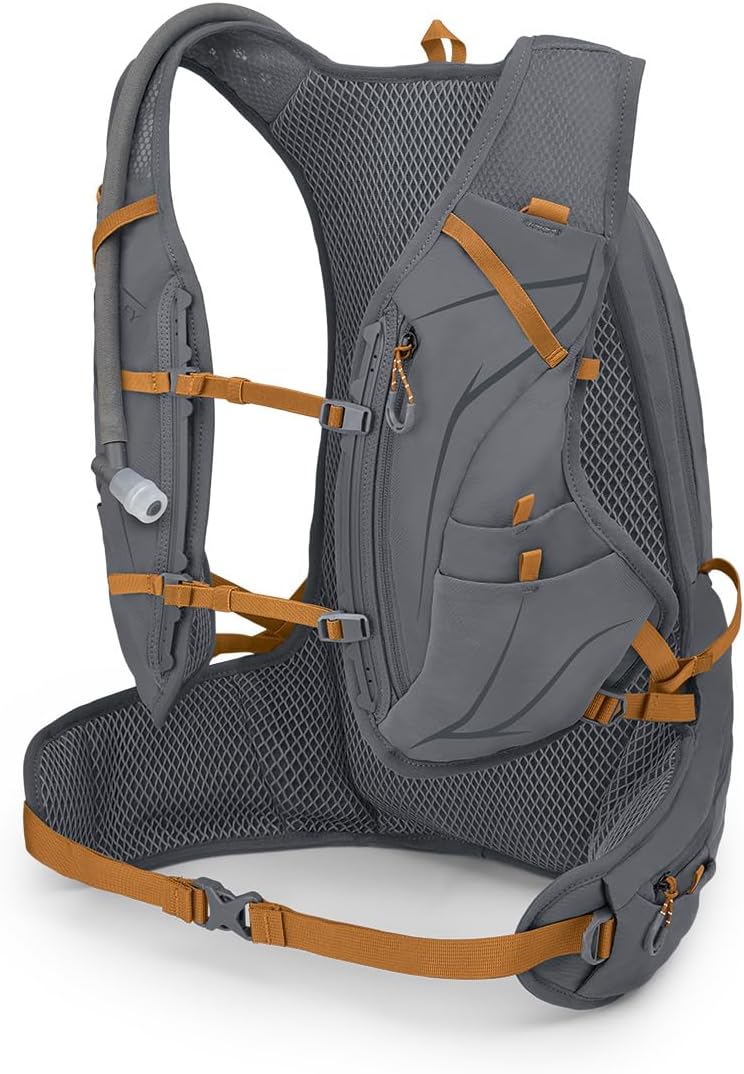
- Great value
- Large main compartment
- Lifetime Osprey warranty
- Heavier for racing
- Less bounce control
"If someone's just getting into ultras and doesn't want to spend $180 on a vest, the Duro is where I send them. Built tough and backed by the best warranty in the industry." Jess Park, Trail Running Coach & Gear Reviewer
How to Choose
The right vest comes down to three things: how much you need to carry, how your body is built, and how fast you run.
Capacity
For most 50Ks and 50-milers with well-stocked aid stations, 6–8L is enough. For 100-milers or races that require mandatory gear, go 10–15L. Don't size up just to have space. Extra room becomes dead weight.
Fit
A vest that fits right shouldn't bounce, chafe, or dig in after 10 miles. Most brands offer men's and women's specific fits. Try it loaded, not empty, before committing. If you can only test it empty, fill the soft flasks and add a pound of rice in a ziplock to simulate real conditions.
Hydration system
Front soft flasks are faster to access than rear bladders during a race. You don't have to stop to drink. Rear bladders work well for training runs. Many runners use both: a 1.5L bladder in back for background hydration, and front flasks for electrolytes and quick sips.
Planning your race day nutrition and hydration strategy? The Iron Miles Race Planner calculates your estimated split times and fluid needs by aid station, personalized to your pace and course profile.
Bottom Line
The Salomon Active Skin 8 is the best vest for most ultrarunners. The fit, bounce control, and front pocket access are hard to beat. If you're running a mandatory-gear race or going over 24 hours, step up to the Nathan Pinnacle 12L. On a budget? The Osprey Duro 15 gives you nearly as much for less money, backed by a lifetime warranty.
Once you have your vest dialed in, the next step is planning what goes in your drop bags and where your crew meets you. See our drop bag and crew support guide for a complete checklist by race segment.
Keep Reading
Ready to build your training plan?
Answer a few questions about your fitness and goal race. Get a week-by-week plan in minutes.
Build My Plan